
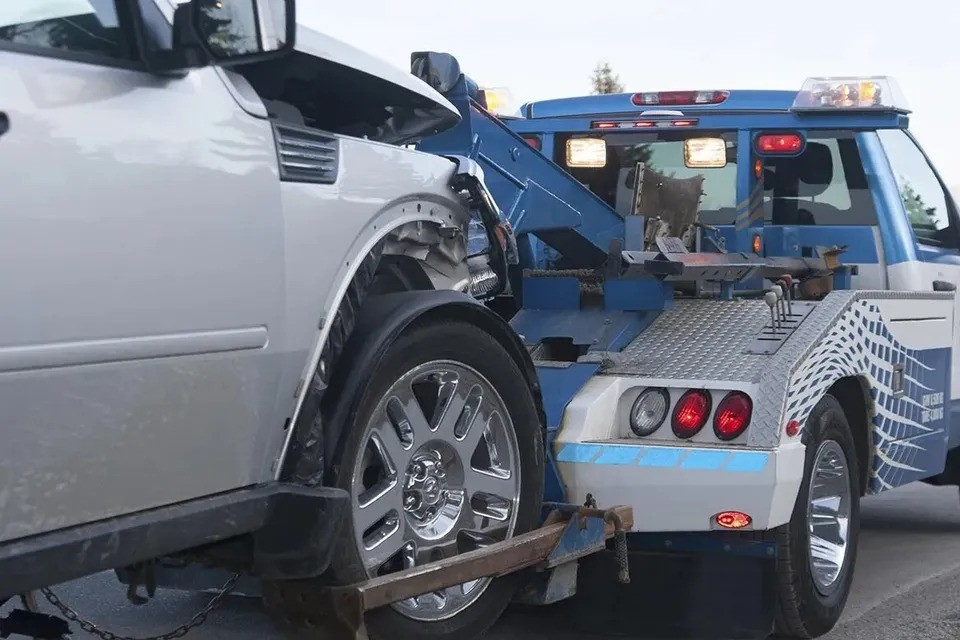
Many vehicle owners choose to sell their old, damaged, scrap, or unwanted cars to a car wrecker, but few know what actually happens after the vehicle leaves their property. Some people assume the car is immediately crushed and discarded, while others wonder whether any parts are reused.
In reality, modern auto wreckers play a vital role in vehicle recycling and environmental sustainability. They ensure that valuable materials and reusable components are recovered before remaining metal is processed for recycling. This helps reduce waste, conserve natural resources, and support Australia’s growing circular economy.
If you’ve ever wondered what happens to your vehicle after it reaches a car wrecker, here’s a step-by-step look at the process.
Vehicle Inspection and Assessment
The first step after a vehicle arrives at a wrecking yard is a thorough inspection. Auto wreckers Perth assess the overall condition of the vehicle and identify which components may still have value.
During this process, technicians examine the engine, transmission, electrical systems, body panels, wheels, tyres, and other major parts. Even vehicles that appear severely damaged may contain components that can be reused or refurbished.
The assessment helps determine which parts can be sold as used auto parts and which materials will be recycled. It ensures that as much value as possible is recovered from every vehicle.
Removal of Hazardous Fluids
Before any dismantling begins, the vehicle undergoes a depollution process. This is one of the most important stages of responsible vehicle recycling.
Cars contain several fluids that can be harmful to the environment if not handled properly, including:
- Engine oil
- Coolant
- Brake fluid
- Transmission fluid
- Fuel
- Power steering fluid
- Air conditioning refrigerants
Professional auto wreckers carefully drain and collect these substances using specialised equipment.
This process prevents contamination of soil and waterways and ensures the vehicle can be dismantled safely.
Read More – The Environmental Impact of Perth Car Wreckers – Recycling Made Easy
Recovery of Reusable Parts
The vehicle recovery process involves several vital steps that need to be undertaken before reaching the final stage. One of them is the recovery of reusable parts. No matter how old, damaged or unwearable a particular car is, chances are that some of its elements will be usable in other cars.
These components can vary from an engine to doors, mirrors, wheels and various types of lights. They all get removed using special tools and placed into storage after getting checked and cleaned properly. There are numerous advantages of the recovering process that benefit both parties equally.
Battery Removal and Recycling
Vehicle batteries necessitate specialized handling due to their potential environmental hazards if disposed of incorrectly. As most batteries contain lead and acid, both substances can be effectively recovered and repurposed.
Auto wreckers remove batteries early in the dismantling process and send them to specialised recycling facilities. The lead, plastic, and other materials are recovered and used in the production of new batteries and related products.
Battery recycling reduces environmental impact while conserving valuable resources.
Recycling Tyres and Rubber Components
Tyres are another key resource we recover from old vehicles. If a tyre is still in good shape, we resell it for someone else to use. There, they break it down to create useful materials like road base, playground surfaces, rubber flooring, and construction supplies. Recycling these tyres helps us keep waste out of landfills while turning old rubber into something brand new.
- Road base materials
- Playground surfaces
- Rubber flooring
- Construction products
Recycling tyres helps reduce landfill waste while creating useful new products from old materials.
Sorting Valuable Metals
Once all reusable components have been extracted, remaining vehicle. Chassis still retains a substantial volume of valuable metal.
Metal recycling is one of the most environmentally beneficial aspects of vehicle dismantling. Recycled metals require significantly less energy to process than newly mined materials.
As demand for recycled metals continues to grow across Australia, vehicle wreckers play an essential role in supplying these resources to manufacturers and industrial businesses.
Vehicle Crushing and Processing
Once all reusable parts, fluids, batteries, and recyclable materials have been removed. The remaining vehicle shell is prepared for crushing and processing. Specialised machinery compresses the stripped vehicle into a compact form, making it easier to transport and handle.
These recovered metals are melted down and reused in manufacturing new products. This process helps reduce landfill waste, conserve natural resources, and support sustainable recycling practices within Australia’s automotive industry.
Supporting the Used Auto Parts Industry
The parts recovered from wrecked vehicles form an important part of Australia’s used auto parts market.
- Lower repair costs
- Faster availability
- Genuine manufacturer parts
- Environmentally friendly alternatives
As new vehicle parts become increasingly expensive, demand for quality recycled components continues to grow.
Auto wreckers help meet this demand by supplying affordable parts to customers throughout Australia.
Environmental Benefits of Vehicle Wrecking
The modern vehicle recycling industry delivers significant environmental benefits.
These include:
- Reduced landfill waste
- Conservation of natural resources
- Lower greenhouse gas emissions
- Reduced mining demand
- Improved sustainability
By reusing parts and recycling metals, auto wreckers contribute to a more sustainable automotive industry and support Australia’s environmental goals.
Growing Importance of Vehicle Recycling
As Australia moves toward a more sustainable future, vehicle recycling is becoming increasingly important.
The rise of electric vehicles, stricter environmental standards, and growing consumer awareness are all driving demand for responsible recycling solutions.
Auto wreckers are adapting by investing in advanced recycling technologies and developing expertise in handling newer vehicle systems.
Their role in recovering valuable resources and reducing waste will continue to expand in the years ahead.
Conclusion
When a vehicle reaches a car wrecker, it begins a carefully managed process that focuses on maximising value and minimising environmental impact. From inspecting the vehicle and removing hazardous fluids to recovering reusable parts. Recycling valuable metals, every step is designed to reduce waste and conserve resources.
At the same time, metal recycling reduces the need for raw material extraction and contributes to a more sustainable automotive industry. By choosing a professional car wrecker, vehicle owners not only receive value for their unwanted vehicles. They also help support environmentally responsible recycling practices that benefit future generations.
Leave a Reply
You must be logged in to post a comment.