
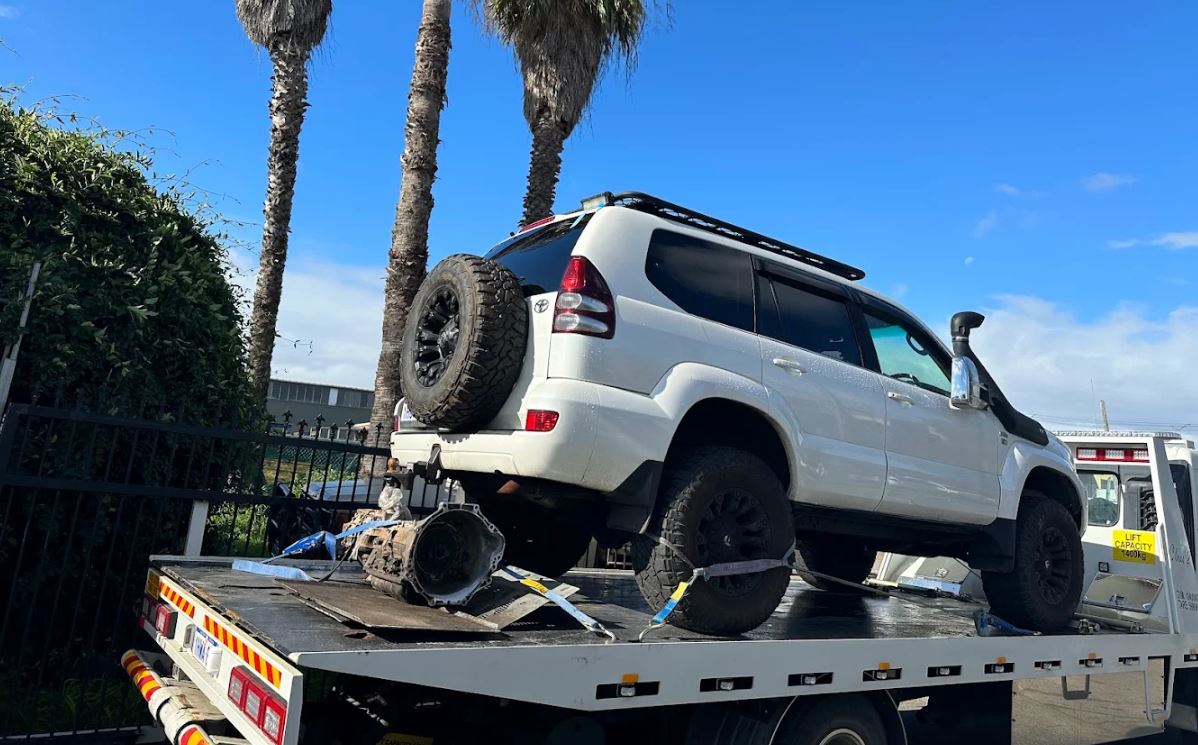
For many vehicle owners, there comes a point when deciding whether to continue repairing a car or move on becomes a difficult choice. At Auto Wrecker WA, we regularly speak with Perth drivers who are unsure whether investing more money into an ageing vehicle makes financial sense. While some repairs can extend the life of a vehicle for years, others can quickly become more expensive than the car itself. Understanding the warning signs can help you make a practical and cost-effective decision.
Repair Costs Exceed the Vehicle’s Value
One of the clearest signs that a car is no longer worth repairing is when the cost of repairs exceeds its current market value. For example, if your vehicle is worth $4,000 but requires $5,000 worth of engine, transmission, or structural repairs, continuing to invest in the vehicle may not be financially sensible.
Before approving major repairs, compare the estimated repair cost against the vehicle’s resale value. If the repair bill approaches or exceeds the value of the car, it may be time to consider alternative options.
Frequent Breakdowns Are Becoming Normal
Every vehicle requires maintenance, but repeated breakdowns are often a sign of deeper issues. If you find yourself visiting a mechanic every few months for different problems, repair expenses can quickly add up.
Common recurring issues include:
- Engine problems
- Transmission failures
- Electrical system faults
- Cooling system leaks
- Suspension wear
- Brake system failures
When repairs become a regular expense rather than an occasional one, keeping the vehicle on the road may no longer be practical.
Read More – Affordable Parts, Eco Benefits, and Hassle-Free Disposal
The Vehicle Has High Mileage
Modern vehicles are designed to last longer than ever before, but mileage still plays an important role in determining long-term reliability.
While there is no exact number that applies to every vehicle, cars with over 250,000 kilometres often begin experiencing more significant wear and tear. Components such as transmissions, engines, suspension systems, and electrical parts may require replacement as mileage increases.
If your vehicle has accumulated substantial mileage and major repairs are beginning to appear, replacing or selling the vehicle may be more cost-effective than continuing repairs.
Major Engine or Transmission Failure
The engine and transmission are among the most expensive components in any vehicle. Repairs involving either system can cost thousands of dollars.
Signs of major engine issues include:
- Excessive smoke from the exhaust
- Knocking noises
- Severe oil consumption
- Loss of power
- Overheating
Signs of transmission problems include:
- Slipping gears
- Delayed shifting
- Grinding noises
- Transmission fluid leaks
When a vehicle requires a complete engine rebuild or transmission replacement, owners should carefully evaluate whether the investment is justified.
Rust and Structural Damage
Surface rust is often manageable, but severe corrosion affecting the frame or structural components can compromise safety.
Structural rust may impact:
- Chassis strength
- Suspension mounting points
- Brake lines
- Vehicle stability
Extensive rust damage can be expensive to repair and may continue spreading even after treatment. In many cases, structural corrosion indicates that the vehicle is approaching the end of its usable life.
The Vehicle Is Becoming Unsafe
Safety should always be the highest priority. If a vehicle no longer meets acceptable safety standards, repairs may not always be worthwhile.
Potential safety concerns include:
- Airbag system faults
- Frame damage
- Steering issues
- Brake failures
- Severe suspension wear
When safety-related repairs become extensive and costly, replacing the vehicle may be the smarter decision.
Spending More on Repairs Than Payments for a Replacement Vehicle
Many owners continue repairing an old vehicle because they want to avoid purchasing another car. However, repeated repair bills can eventually exceed the cost of financing or purchasing a newer, more reliable vehicle.
Consider tracking your annual repair expenses. If you are consistently spending thousands of dollars every year just to keep the vehicle operational, those funds may be better invested elsewhere.
Fuel Efficiency Has Significantly Declined
As vehicles age, fuel efficiency often decreases due to worn components, engine inefficiencies, and outdated technology.
Signs of declining efficiency include:
- More frequent fuel stops
- Reduced kilometres per litre
- Increased emissions
- Poor engine performance
If your vehicle is becoming increasingly expensive to operate, upgrading or replacing it may provide long-term savings.
Replacement Parts Are Difficult to Find
Older vehicles can become challenging to maintain when replacement parts are no longer readily available.
This often affects:
- Discontinued models
- Imported vehicles
- Rare vehicle variants
- Older luxury vehicles
When sourcing parts becomes difficult or excessively expensive, repair costs can rise dramatically.
Vehicle Has Been Written Off or Severely Damaged
Vehicles involved in serious accidents may require extensive repairs to restore structural integrity and safety.
Even after repairs, some vehicles continue to experience:
- Alignment problems
- Electrical faults
- Water damage issues
- Reduced resale value
If the vehicle has suffered significant damage, it is important to compare repair costs against replacement costs before making a decision.
Final Thoughts
Knowing when a car is no longer worth repairing can save vehicle owners significant time, money, and frustration. While routine maintenance and minor repairs are part of responsible vehicle ownership, there comes a point where continued investment may no longer be justified. Factors such as high repair costs, recurring breakdowns, major mechanical failures, structural damage, and declining reliability all indicate that it may be time to move on from an ageing vehicle.
By carefully evaluating repair costs against the vehicle’s value and long-term reliability, drivers can make informed decisions that protect both their finances and safety.
Leave a Reply
You must be logged in to post a comment.