
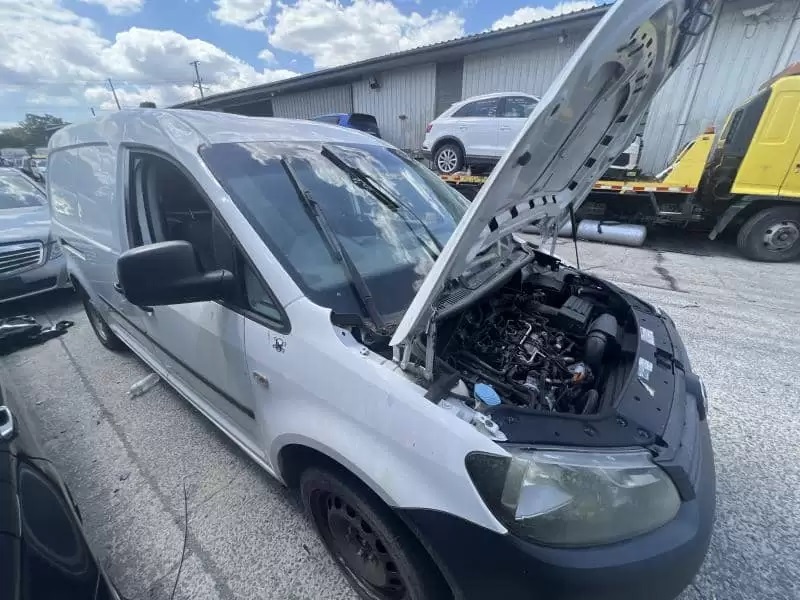
A car that no longer starts can quickly become a problem. It takes up space in your driveway or garage, may cost money to repair, and often continues to lose value over time. Many vehicle owners hold onto non-running cars because they are unsure of the best way to get rid of them. The good news is that you have several practical options, depending on the condition of your vehicle and your budget.
If you’re wondering what to do with a non-running car in Perth, this guide will help you understand your choices and decide which option makes the most sense.
Find Out Why the Car Won’t Start
Before making a decision, it is worth finding out why your vehicle is not running. Sometimes the issue is minor, such as a flat battery, damaged starter motor, or faulty alternator. These problems may be repaired at a reasonable cost.
However, if the vehicle has a blown engine, failed transmission, or major electrical issues, repairs can become expensive. In many cases, the repair costs are higher than the vehicle’s market value. Getting a mechanic’s inspection can help you understand whether fixing the car is financially worthwhile.
Consider the Cost of Repairs
Many owners become attached to their vehicles and hope that repairing them is the best solution. While that may be true for newer models, older cars often require ongoing maintenance even after major repairs.
Think about the total cost rather than just the immediate repair bill. You may also need to replace worn tyres, brakes, suspension components, or other parts in the near future. If the vehicle continues to develop problems, repairing it may not be the most practical choice.
Sell It to a Professional Car Buyer
If repairing the vehicle does not make financial sense, selling it can be a smart alternative. Many professional buyers purchase non-running vehicles regardless of their mechanical condition. They assess the car based on factors such as its make, model, age, condition, and the value of recyclable parts.
Many Perth cash for cars companies also provide free vehicle collection, making the process easier for owners whose cars cannot be driven. This can save both time and towing expenses while helping you turn an unwanted vehicle into cash.
Sell Valuable Parts Separately
Some owners choose to dismantle their cars and sell individual components. Parts such as alloy wheels, batteries, headlights, infotainment systems, mirrors, and body panels may still have value if they are in good condition.
While this option can sometimes generate more money, it also requires time, storage space, and mechanical knowledge. After removing useful parts, you will still need to dispose of the remaining shell responsibly.
Donate the Vehicle
If the car still has some usable value, donating it to a charity may be another option. Some organisations accept vehicles for fundraising purposes or recycle them to support community programs.
Although this may not provide a financial return, it allows your unwanted vehicle to contribute to a worthwhile cause while avoiding unnecessary waste.
Recycle the Vehicle Responsibly
When a car reaches the end of its useful life, recycling is often the most environmentally responsible solution. Modern vehicle recycling allows many materials to be recovered and reused.
Steel, aluminium, copper, plastic, glass, and rubber can all be processed for future manufacturing. Hazardous fluids such as engine oil, coolant, transmission fluid, and brake fluid should also be removed and disposed of safely to reduce environmental impact.
Choosing responsible recycling helps reduce landfill waste and conserves valuable natural resources.
Remove Personal Belongings and Documents
Before handing over your vehicle, take a few minutes to check every compartment. Look inside the glove box, centre console, boot, door pockets, and under the seats for personal belongings.
It is also important to remove registration papers, insurance documents, toll tags, parking permits, and any electronic devices connected to the vehicle. If your car has a built-in navigation or infotainment system, clear any saved addresses, phone contacts, or personal information.
Taking these simple steps protects your privacy and ensures nothing valuable is left behind.
Gather the Required Paperwork
Having the necessary paperwork ready can make the selling process much smoother. Proof of ownership and identification are usually required when transferring a vehicle.
If some documents are missing, speak with the car buyer beforehand to understand what alternatives may be accepted. Preparing everything in advance can help avoid delays.
Compare Your Options Carefully
Every non-running vehicle is different. Some are worth repairing, while others are better suited for recycling or selling as they are. Consider factors such as repair costs, vehicle age, overall condition, and the amount of time you are willing to invest.
Comparing your available options allows you to make a well-informed decision rather than spending money on repairs that may never be recovered.
Conclusion
A non-running car does not have to remain parked in your driveway indefinitely. Whether you decide to repair it, sell it, recycle it, or donate it, taking action can free up valuable space and help you move forward.
The right choice depends on your vehicle’s condition and your personal circumstances. By understanding your options and planning ahead, you can deal with a non-running car in a practical, cost-effective, and environmentally responsible way while avoiding unnecessary stress.
Leave a Reply
You must be logged in to post a comment.