
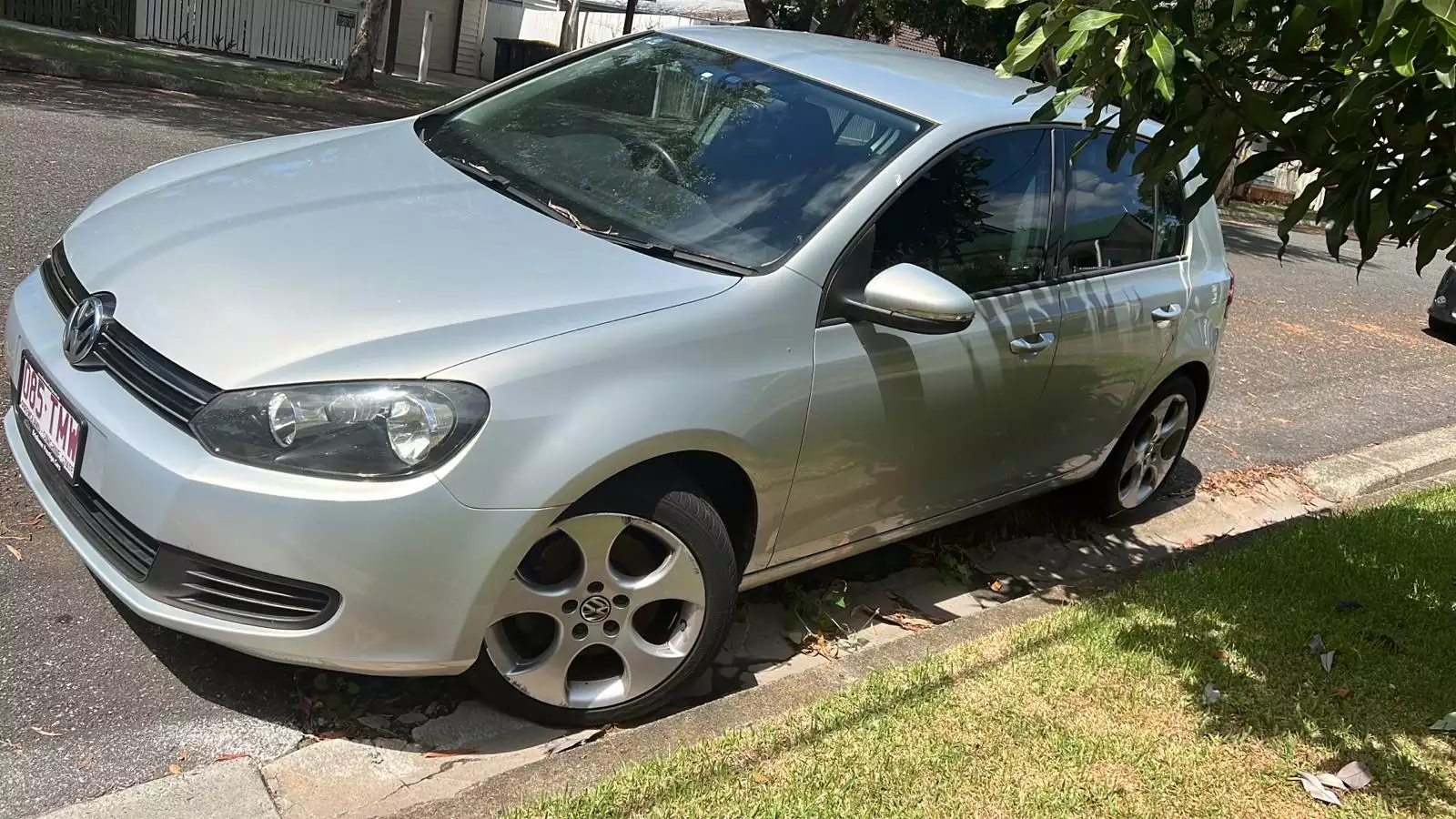
Selling an old car is not always as simple as finding a buyer. Mechanical problems, low offers, repeated enquiries and the cost of repairs can make the process frustrating. If your vehicle has been sitting unused in the driveway or is becoming too expensive to maintain, finding a practical way to sell it can save you time and money.
For car owners across the Sunshine Coast, the right selling option depends on the vehicle’s condition, its potential value and how quickly you want to move it on. A car that no longer suits your needs may still be valuable to another buyer, even if it has high kilometres or requires repairs.
With a little preparation and a clear understanding of your options, you can sell your old car without turning the process into a lengthy project.
1. Choose the Right Way to Sell Your Car
There are several ways to sell an old vehicle, and each comes with different considerations.
A private sale may work well if your car is in reasonable condition and you are comfortable advertising it online. However, you will need to respond to enquiries, arrange inspections, negotiate the price and organise the handover. Some buyers may also change their minds after inspecting the vehicle.
Trading in your car can be convenient when purchasing another vehicle, but it is worth comparing the trade-in offer with other options.
If your car is damaged, unreliable, unregistered or no longer running, a cash-for-cars service may be a more practical alternative. Depending on the buyer, you may be able to sell the vehicle in its current condition and arrange collection without advertising it privately.
Before choosing a method, consider how much time you want to spend on the sale and whether repairing or preparing the car would be worthwhile.
2. Find Out What Your Old Car Is Worth
A vehicle’s age alone does not determine its value. Several factors can influence the amount a buyer is willing to offer.
These include:
- Make and model: Demand for particular vehicles and their replacement parts can affect value.
- Kilometres travelled: Higher kilometres may influence resale prospects and expected maintenance costs.
- Mechanical condition: Engine, transmission and electrical problems can reduce an offer.
- Body condition: Rust, accident damage and worn components may affect the vehicle’s appeal.
- Completeness: Missing parts or major components can change its potential value.
- Current demand: Market interest in a particular model can vary over time.
For example, an older car with a faulty transmission might be difficult to sell privately to someone looking for reliable daily transport. However, it may still interest a buyer who can assess its parts or repair potential.
Before paying for expensive repairs, compare the likely cost of fixing the vehicle with the offers available in its current condition. Repairs do not always increase a car’s selling price enough to justify the expense.
3. Prepare the Right Information Before Requesting a Quote
Having accurate vehicle details ready can make the selling process easier. Start by noting the make, model, year, approximate kilometres and general condition.
Explain any known problems, such as engine failure, accident damage, transmission issues or registration concerns. Being upfront helps buyers assess the vehicle more accurately and reduces the likelihood of disagreements later.
You can also gather the vehicle identification number (VIN), registration details, service history and spare keys if available.
You do not need to spend hours preparing a detailed report. A clear description and a few current photographs can be enough to start a conversation with a potential buyer.
The more accurate the information you provide, the easier it is to compare quotes and understand what each offer covers.
4. Compare Offers Carefully
Getting quotes from more than one buyer can help you establish a realistic expectation of your car’s value. However, the highest advertised figure is not necessarily the best overall offer.
Ask whether the quote is based on the details you supplied and whether it may change after inspection. Confirm if collection is included, whether any fees apply and when payment will be made.
For example, an offer might look attractive initially, but additional towing costs could reduce the amount you actually receive. Another buyer may provide a clearer arrangement that better suits your circumstances.
Avoid relying on vague promises. A reputable buyer should explain the offer, any relevant conditions and the steps involved in completing the sale.
Taking time to compare the full arrangements can help you avoid unexpected costs and unnecessary delays.
5. Consider a Local Cash-for-Cars Service
For people who want to avoid managing a private sale, a local cash-for-cars service offers another option to consider.
These services may purchase older, unwanted, damaged and non-running vehicles, depending on their buying criteria. The offer generally depends on factors such as the vehicle’s condition, model, age and potential resale or parts value.
If you live in Maroochydore, Caloundra, Nambour or another Sunshine Coast suburb, it is worth asking local buyers about their service area and collection arrangements.
You can explore cash for cars in Sunshine Coast to discuss your vehicle with QLD Cash for Cars and request a quote.
Before accepting an offer, confirm the agreed price, payment method, collection arrangements and any conditions that could affect the final amount. Make sure you understand the agreement before proceeding.
6. Get Your Vehicle Ready for Collection
Preparing an old car does not mean spending money on repairs or making it look like new. A few simple checks can help prevent problems on collection day.
First, remove personal belongings from the glovebox, centre console, boot and under the seats. Check for important documents, sunglasses, garage remotes and other items you may have forgotten.
Remove your toll tag and personal accessories you intend to keep. Gather any available keys and relevant paperwork.
If the vehicle does not start or is unsafe to drive, tell the buyer before collection. Confirm whether towing is required and ensure there is enough access for the collection vehicle.
Providing accurate information about the car’s location and condition helps the buyer plan the collection properly and reduces the risk of delays.
7. Understand Queensland’s Selling Requirements
Before completing a sale, check which Queensland requirements apply to your vehicle.
When selling a registered vehicle privately, a current safety certificate is generally required unless an exemption applies. Queensland also has different requirements for selling an unregistered vehicle and arranging its movement on public roads.
For a private sale of an unregistered vehicle, an inspection is generally not required simply to sell it, but an unregistered vehicle permit may be needed if you intend to move it on a public road.
Requirements can differ depending on the vehicle’s registration status and the type of transaction. Check the Queensland Government’s guide to selling a used vehicle before finalising your arrangements.
Keep a record of the sale and check whether any registration, number plate or other administrative steps apply to your situation.
8. Confirm Payment and Complete the Handover
Once you accept an offer, make sure the final arrangements are clear.
Confirm the amount you will receive, when payment will be made and how it will be processed. Check that the final terms match what you agreed to and keep a record of the transaction.
Before handing over the vehicle, remove your personal belongings and provide the agreed keys and documents. Follow the applicable requirements for registration and number plates, and retain relevant paperwork for your records.
Do not assume every buyer follows the same process. Confirm the details directly so you know what to expect on collection day.
A clear agreement helps prevent confusion and gives you greater confidence that the sale has been completed properly.
Conclusion
Selling an old car in Sunshine Coast does not have to involve weeks of advertising, repeated inspections or expensive repairs. The key is to understand your options, compare offers carefully and prepare the information needed to complete the transaction.
Whether your vehicle is still running, needs significant repairs or has been sitting unused for months, a practical approach can help you decide what to do next.
By confirming the price, payment arrangements, collection details and relevant Queensland requirements before agreeing to a sale, you can reduce uncertainty and move on from your old vehicle with greater confidence.
Leave a Reply
You must be logged in to post a comment.