
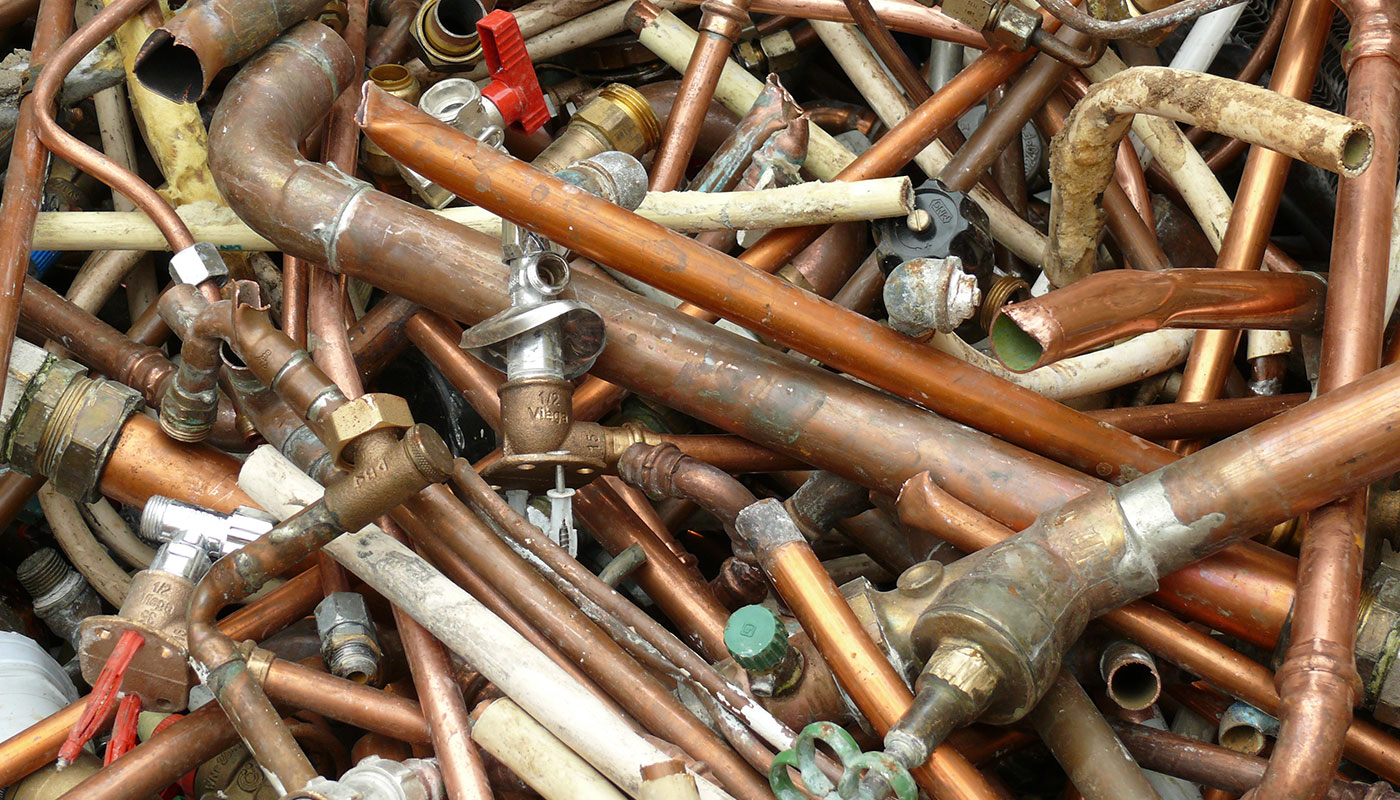
Old radiators occupy space in the garage, workshop, mechanical business, construction area, and industry. Rather than classifying old radiators as general waste, recycling can assist in reclaiming the useful metals that can be obtained through responsible resource management. Copper is especially important due to its ability to be reclaimed and reused for various manufacturing processes.
In case one needs to recycle an old radiator with copper, knowing the types of radiators that are capable of being recycled can be advantageous. This is where a professional like the Copper Radiator Recycler Adelaide comes in handy.
Why Are Copper Radiators Valuable for Recycling?
Copper is one of the most recyclable metals and can go through the processing process and still retain its fundamental characteristics. The radiators have copper in them since it is a good conductor of heat.
Radiators can get damaged or corroded, get old and become no longer fit for use. But this does not mean that the material in the radiators cannot be recycled.
Copper Tube and Fin Radiators
Copper tube and fin radiators are examples of some of the common types of radiators which may be considered for metal recycling. Copper tube and fin radiators are made up of copper tubes together with metal fins to increase their surface areas.
It is possible to separate the copper tubes for recycling purposes. Since the radiator may consist of more than one type of metal, its value will be determined by how well it is separated and its composition.
Automotive Copper Radiators
The older type of automotive radiators will have copper and brass parts, which means that they are valuable for obtaining non-ferrous metal scrap. Automotive radiators may belong to various types of cars, trucks, buses, machines, and other types of vehicles.
While the older type of radiators contained much copper and brass, the new ones may be made of aluminum or even aluminum plastic. This means that one shouldn’t make a conclusion that every radiator contains an equal amount of copper.
Industrial and Commercial Radiators
It is also possible for businesses and industries to produce more radiators due to activities such as equipment replacements, demolitions, renovations, or maintenance.
Industries with cooling systems and heat exchangers may have copper piping. It is possible to recycle some of these components at times.
Heating and Cooling System Components
Heat and cooling system equipment might also feature copper piping for heat transfer or refrigeration. While these pieces of equipment might not always have an appearance that would identify them as home heating radiators, they still contain metal that can be recycled.
Examples include various heat exchangers, cooling coils, condensers, and other related equipment.
Brass and Copper Radiator Components
Radiator materials may not always comprise copper. Some radiator equipment may have some brass parts in the tank, connector, fittings, valves, or other pieces.
Brass is another non-ferrous metal that is recyclable, and it is easy to differentiate it from copper in the professional recycling process. Differentiation between various metals can be helpful for recyclers during classification.
Copper Radiators From Old Machinery
Old machinery can contain radiators and cooling components that have reached the end of their working life. Agricultural equipment, industrial machinery, generators, and specialised vehicles may all contain cooling systems with copper components.
When machinery is dismantled or replaced, these radiators should not automatically be treated as worthless waste. Depending on their composition, they may provide recoverable copper and other metals.
What Determines the Recycling Value of a Radiator?
Not every copper radiator has the same recycling value. Several factors can influence how the material is assessed, including:
- The amount of copper present
- The radiator’s overall weight
- Copper purity and grade
- Whether brass or other metals are included
- The level of contamination
- Whether materials are mixed or separated
- Current market conditions
- The condition and type of radiator
For this reason, online prices or general scrap-metal estimates may not accurately represent the value of a particular radiator.
Why Proper Separation Matters
Radiators can contain several different materials, including copper, brass, aluminium, steel, plastic, and other components. Separating these materials can make the recycling process more efficient.
However, dismantling radiators should be done safely. Some equipment may contain oils, coolants, refrigerants, or other substances that require appropriate handling. It is better to use professional recycling and processing methods rather than attempting unsafe dismantling or disposal.
Benefits of Choosing a Copper Radiator Recycler Adelaide
Using a professional Copper Radiator Recycler Adelaide can offer several advantages. It provides a convenient way to handle unwanted radiators while helping recover valuable metals that can be reused.
For households, recycling can help clear out unwanted equipment from garages and storage areas. For mechanics, workshops, demolition companies, and businesses, regular radiator recycling can contribute to a more organised waste-management system.
How to Prepare Old Radiators for Recycling
When sending the radiators for recycling, ensure that they are separate from other household items. If you have several types of radiators, you can save time on assessment by keeping them organized.
Ensure that you do not use any burning, chemical, or unsafe techniques for removing any coating and other parts. In case of any fluids in the radiators, you can seek advice from the recycler on the proper method of preparation.
Final Thoughts
There are various forms of radiators that may consist of recyclable copper, including old car radiators, copper tube and fin radiators, industrial coolants, and some heating and cooling machines. Nevertheless, different metal compositions apply in each product from different manufacturers.
By recycling these types of materials, one may be able to reclaim the copper and avoid unnecessary waste of this metal in Adelaide.
Leave a Reply
You must be logged in to post a comment.