
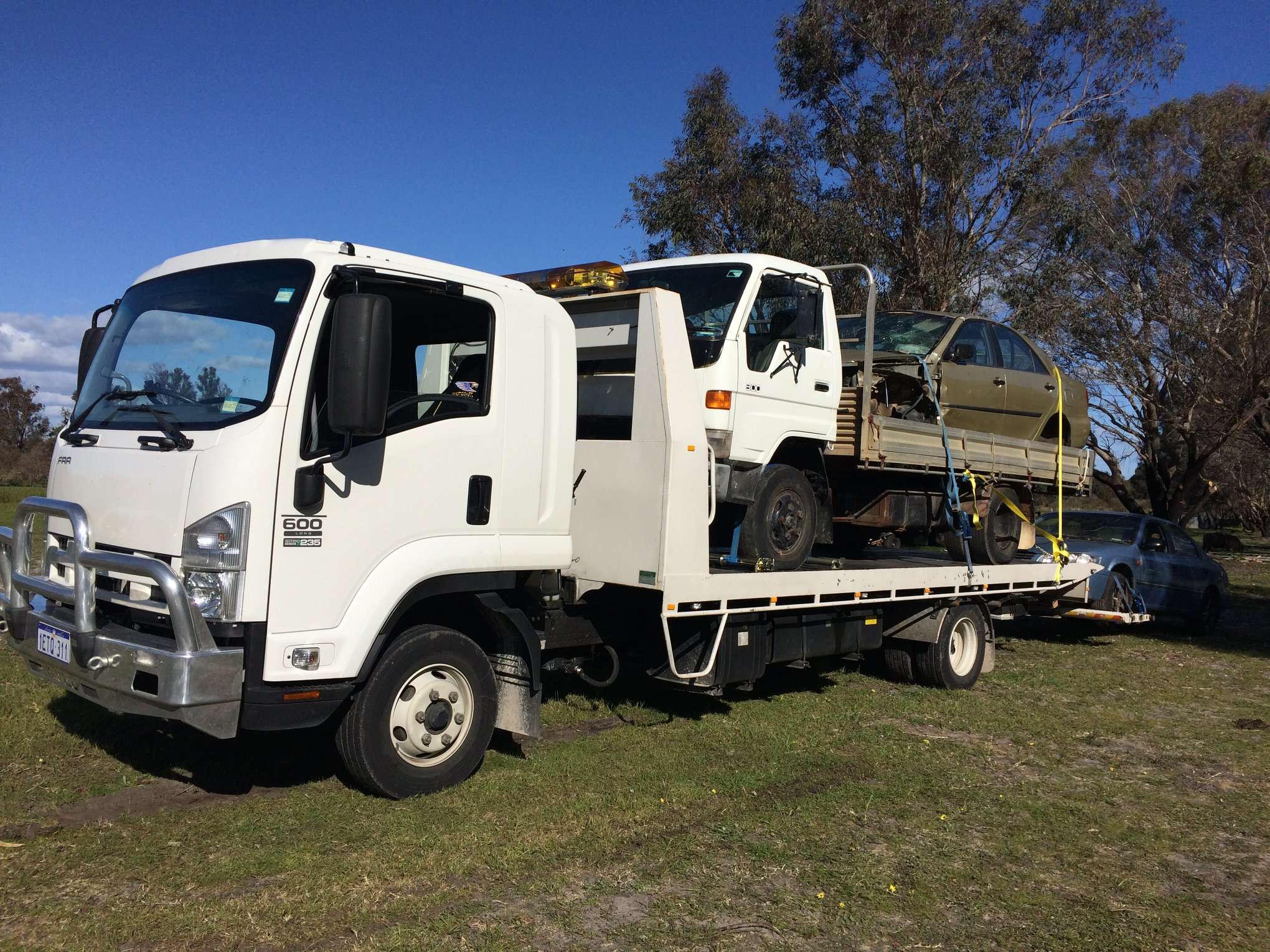
Every year, thousands of vehicles reach the end of their lifespan due to accidents, mechanical failures, rust, or age-related damage. Instead of allowing these vehicles to end up in landfill sites, professional car wreckers Perth help recycle them safely and responsibly. Modern car wreckers follow environmentally friendly recycling practices designed to reduce pollution, conserve natural resources, and recover reusable materials from old vehicles.
Many people mistakenly believe car wrecking is just crushing vehicles for scrap metal. In actuality, professional vehicle recycling constitutes a meticulously managed process, with a primary focus on minimizing environmental impact. From safely removing hazardous fluids to recycling metal and reusable parts.
The Importance of Environmentally Responsible Vehicle Recycling
Discarded vehicles contain various materials and chemicals that can pose environmental hazards if not managed appropriately. Engine oil, coolant, brake fluid, fuel, batteries, and air conditioning gases can pollute soil, waterways, and the atmosphere if left untreated.
Professional car wreckers use specialised recycling procedures to remove and process these materials safely. This approach helps reduce landfill waste and decreases the need for producing new raw materials.
Vehicle recycling also supports a cleaner environment by reducing energy consumption associated with manufacturing new metals and automotive components.
Safe Removal of Hazardous Materials
One of the first steps in environmentally safe car recycling is removing hazardous substances from the vehicle. Professional wreckers carefully drain fluids such as engine oil, transmission fluid, brake fluid, coolant, and fuel using specialised equipment.
These fluids are then either recycled or disposed of according to environmental regulations. This prevents toxic chemicals from leaking into the ground or nearby water sources.
Air conditioning systems are another important concern because they contain refrigerant gases that may damage the atmosphere if released improperly. Professional wreckers use approved recovery systems to remove these gases safely.
Read More – What You Need to Know About the Auto Wrecker Process
Recovering Reusable Auto Parts
Modern car wreckers focus heavily on recovering reusable parts before dismantling the vehicle completely. Many components from damaged or old cars remain in good working condition and can be reused in other vehicles.
Recycling automotive components helps reduce manufacturing demand and lowers the amount of waste sent to landfill.
Using recycled car parts also benefits vehicle owners by providing more affordable repair options compared to purchasing brand-new components.
Recycling Metal and Raw Materials
After reusable parts are removed, the remaining vehicle shell is processed for metal recycling. Most vehicles contain large amounts of steel and aluminium, both of which can be recycled repeatedly without losing strength or quality.
Upon crushing, the vehicle body is conveyed to metal recycling facilities for material sorting and processing. The recovered steel and aluminum can subsequently be utilized in the manufacture of new vehicles, construction materials, appliances, and industrial products.
Recycling metal requires significantly less energy than producing new materials from raw resources. This helps reduce greenhouse gas emissions and conserves valuable natural resources such as iron ore and bauxite.
In addition to metals, professional wreckers also recycle materials like glass, plastic, and rubber whenever possible.
Reducing Landfill Waste
Without professional recycling services, old vehicles could become major contributors to landfill waste and environmental pollution. Cars contain large quantities of materials that take years to break down naturally. Improper disposal can also release toxic substances into the environment.
Car wreckers help reduce landfill pressure by recovering and recycling as much of the vehicle as possible. Many modern recycling facilities are capable of recycling a large percentage of each vehicle, leaving minimal waste behind.
Reducing landfill waste is essential for protecting ecosystems, conserving land space, and promoting sustainable waste management practices.
Supporting Sustainable Automotive Practices
The automotive industry plays an important role in supporting sustainability within the automotive sector. Recycling reusable materials and components reduces the need for mining raw resources and manufacturing entirely new products.
This helps lower energy usage, reduce industrial emissions, and minimise environmental damage associated with large-scale production processes. Vehicle recycling also encourages responsible waste management and resource conservation across the industry.
As environmental awareness continues to grow, more vehicle owners are choosing professional car wreckers because of their eco-friendly recycling practices.
Why Choosing Licensed Car Wreckers Matters
Not all vehicle disposal methods are environmentally safe. Licensed and reputable car wreckers follow industry regulations and environmental standards designed to ensure safe recycling practices.
Professional wreckers use trained staff, proper dismantling equipment, and approved disposal methods for hazardous materials. They also maintain recycling procedures that maximise material recovery while minimising environmental risks.
Final Thoughts
Car wreckers do much more than remove unwanted vehicles. They play a critical role in protecting the environment through safe recycling, hazardous material management, reusable parts recovery, and responsible waste reduction.
By recycling vehicles carefully and efficiently, professional car wreckers help reduce pollution, conserve natural resources, and support sustainable automotive practices. Whether a vehicle is damaged, old, or completely non-running, eco-friendly vehicle recycling. It ensures valuable materials are reused while minimising harm to the environment.
Leave a Reply
You must be logged in to post a comment.