
Buying a used engine or transmission can be a practical way to repair a vehicle without paying the full price of a brand-new replacement. However, the cheapest option is not always the best option.
A second-hand component that looks like a bargain can become expensive if it is the wrong specification, has hidden damage, or fails shortly after installation.
Before purchasing a used engine or transmission, it is worth spending some time checking its compatibility, history, condition and warranty. Knowing what to ask and what information to confirm can help you make a more confident decision and avoid unnecessary repair costs.
Start by Confirming the Exact Part You Need
The first step is making sure you are looking for the correct replacement. Engines and transmissions can vary significantly between vehicles, even when the cars appear almost identical.
Check your vehicle’s:
- Make and model
- Build year
- Engine size
- Fuel type
- Transmission type
- VIN or chassis number
- Engine or transmission code
Ask About the Donor Vehicle
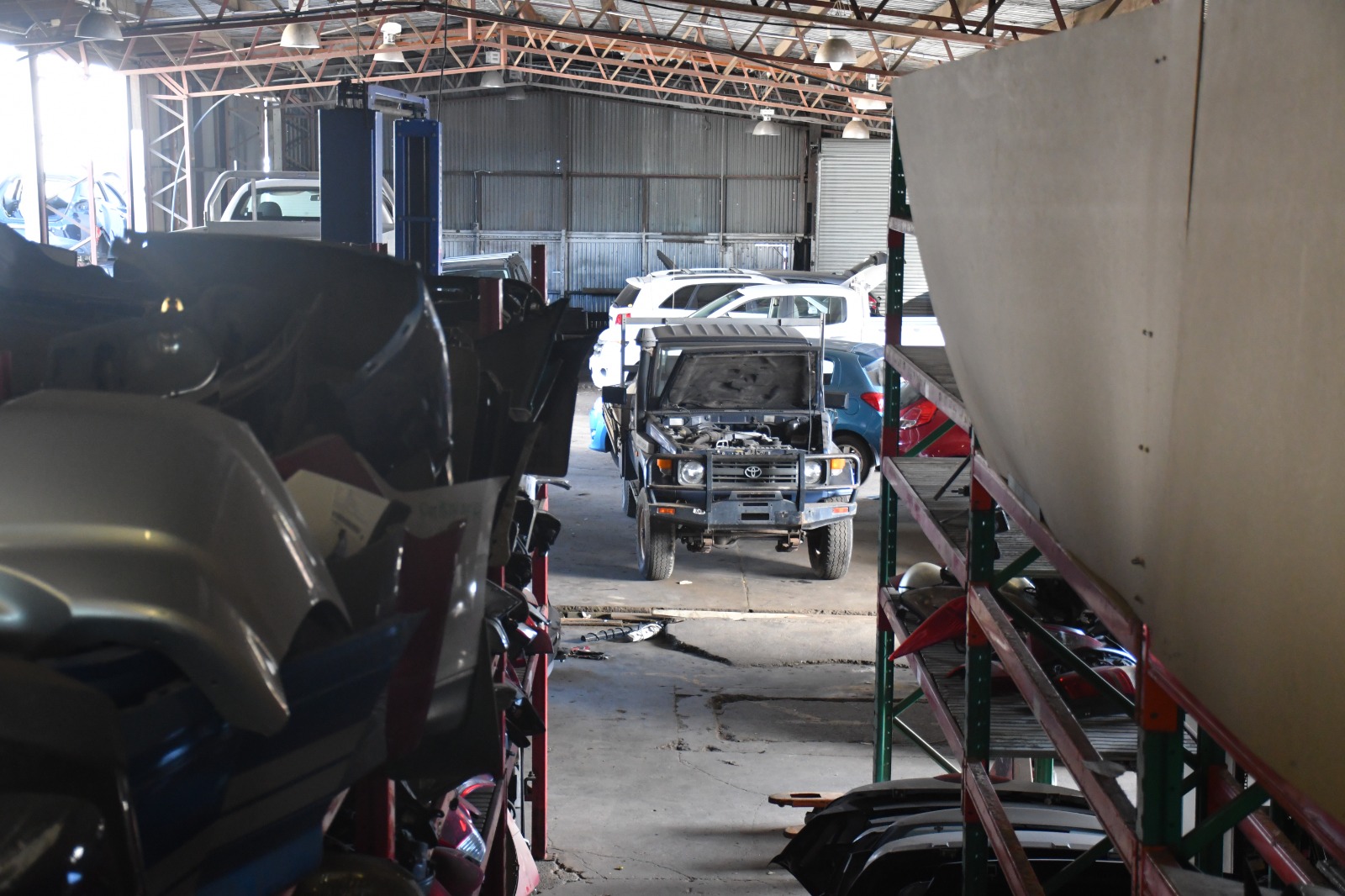
A used engine or transmission usually comes from another vehicle that has been dismantled. Understanding something about that donor vehicle can provide useful clues about the replacement part.
Ask where the component came from and, if the information is available, find out:
- The donor vehicle’s make and model
- Its year of manufacture
- The approximate kilometres travelled
- Why the vehicle was dismantled
- Whether the vehicle was involved in an accident
- Whether the engine or transmission was running before removal
The more information you have about the component’s background, the easier it is to judge whether it is suitable for your repair.
Consider the Mileage, but Don’t Rely on It Alone
Mileage is an important factor when comparing used engines and transmissions, but it should not be the only thing you consider.
A lower-kilometre engine may appear more attractive. The way a vehicle was driven and maintained can also affect its condition. A component from a well-maintained vehicle may be a better choice than one with fewer kilometres that was poorly serviced or heavily abused.
Ask whether the mileage is verified and whether any supporting information is available. If there is a choice between several suitable components, comparing mileage alongside condition, history and price can help you make a more balanced decision.
Check What Is Included With the Engine
A used engine may be sold as a complete assembly or as a more basic long block. The exact contents can vary between suppliers.
Before agreeing to buy, ask which components are included. Depending on the engine, this could include items such as:
- Intake and exhaust manifolds
- Fuel system components
- Alternator
- Starter motor
- Turbocharger
- Sensors
- Wiring
- Engine accessories
You may need to transfer some parts from your existing engine to the replacement. Knowing this beforehand can help you calculate actual cost of the repair rather than focusing only on the advertised price.
Inspect the Transmission Carefully
When buying a used transmission, compatibility is just as important as condition. Automatic and manual transmissions can have different specifications, gear ratios and electronic controls, even across closely related models.
Ask about the transmission’s condition and whether it was tested before removal. For an automatic transmission, questions about shifting performance, slipping or unusual noises are particularly relevant. With a manual gearbox, worn bearings, damaged gears and synchroniser problems can be costly to repair.
If the transmission has been stored for some time, ask how it was preserved and whether any seals or components may need attention before installation.
Read More – Recycled Auto Parts in Brisbane Support Sustainable Car
Don’t Forget the Warranty
A warranty can provide valuable protection when purchasing a used mechanical component. Before buying, find out exactly what the warranty covers and how long it lasts.
Ask whether the warranty covers:
- Parts only
- Labour costs
- Removal and refitting
- Replacement of a faulty component
- Specific conditions that must be met
Some warranties may require professional installation or proof that certain fluids and filters were replaced. Understanding the terms before purchasing can prevent misunderstandings later.
Calculate the Total Repair Cost
The purchase price of a used engine or transmission is only one part of the overall repair bill.
You may also need to budget for:
- Labour
- Installation
- Fluids and filters
- New seals or gaskets
- Belts or hoses
- Replacement sensors
- Towing or transport
- Computer diagnostics
- Additional repairs discovered during installation
A slightly more expensive component with better documentation and a stronger warranty may ultimately provide better value than the cheapest available option.
Buy From a Reputable Parts Supplier
The supplier you choose can make a significant difference. Look for a business that can provide clear information about the component and is willing to answer questions about compatibility and condition.
A reputable used auto parts supplier should be able to explain what they know about the part, provide relevant identification details and clearly outline any applicable warranty or return conditions.
Avoid making a decision based solely on price. If a seller cannot provide basic information about the component or seems unwilling to discuss its history, it may be worth considering another option.
Final Thoughts
Buying a used engine or transmission does not have to be a risky decision. The key is to research the component before committing to the purchase.
Most importantly, think about the total cost of getting your vehicle back on the road, rather than simply choosing the cheapest replacement part. With the right information and a reliable supplier, a quality used engine or transmission. It can be a cost-effective alternative to purchasing a new replacement and can help extend the useful life of your vehicle.
Leave a Reply
You must be logged in to post a comment.