
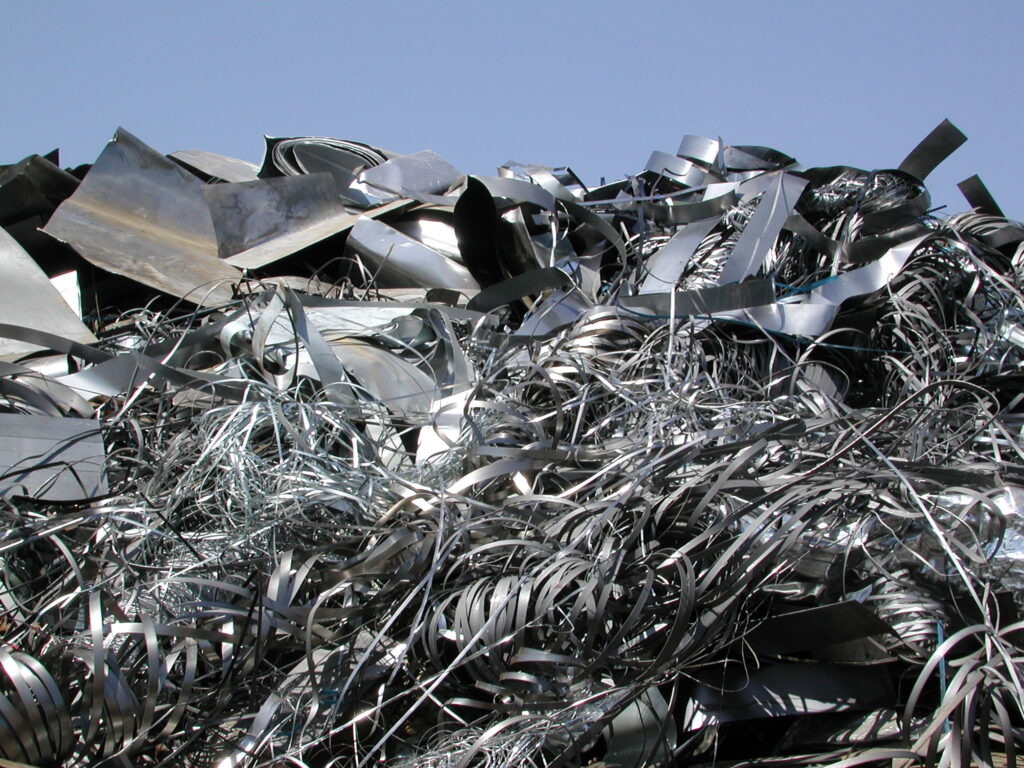
As the world moves toward more sustainable practices, recycling has become an essential part of protecting the environment and conserving valuable resources. WA Scrap Metal supports responsible metal recycling by helping individuals and businesses give unwanted metal a new purpose instead of sending it to landfill. Every piece of recycled metal contributes to a circular economy, where materials are reused, waste is reduced, and natural resources are preserved for future generations. Whether it’s household scrap, industrial metal, or old vehicles, recycling plays a vital role in creating a cleaner and more sustainable future.
Understanding the Circular Economy
The circular economy is a system designed to keep materials in use for as long as possible. Instead of following the traditional process of producing, using, and discarding products, this approach focuses on repairing, reusing, and recycling valuable resources. Metals are perfectly suited for this model because they can be recycled multiple times without losing their quality or strength.
By returning recyclers scrap metal into the manufacturing cycle, industries reduce their dependence on newly mined materials. This creates a continuous loop where resources remain valuable instead of becoming waste, benefiting both the environment and the economy.
Why Scrap Metal Recycling Matters
Scrap metal recycling does much more than remove unwanted items from homes or workplaces. It helps recover valuable materials that can be transformed into new products, reducing the need for raw material extraction. This process supports industries while protecting natural resources that would otherwise be depleted through mining.
Recycling also helps reduce the amount of waste sent to landfill. Items such as old appliances, metal furniture, construction materials, vehicle parts, and industrial equipment contain recyclable metals that can be processed and reused instead of being discarded.
Environmental Benefits of Recycling Metals
One of the biggest advantages of scrap metal recycling is its positive impact on the environment. Producing new metals from recycled materials requires significantly less energy than manufacturing them from raw ore. Lower energy consumption results in fewer greenhouse gas emissions and a smaller environmental footprint.
Recycling also reduces air pollution, conserves water, and limits the environmental damage caused by mining activities. Every tonne of recycled steel, copper, aluminium, or brass helps preserve natural resources while supporting cleaner manufacturing processes.
Read More – Is Copper Scrap Really Worth Selling in Perth
Economic Value of Recycled Metals
Scrap metal recycling not only benefits the environment but also creates economic opportunities. Recycled metals are widely used in industries such as construction, automotive manufacturing, engineering, and infrastructure development. These industries rely on recycled materials to reduce production costs while maintaining high product quality.
Individuals and businesses can also benefit financially by selling unwanted metal instead of paying for disposal. Materials that may seem like waste often have significant recycling value, making scrap metal recycling both environmentally responsible and economically rewarding.
How Businesses and Households Can Contribute
Supporting the circular economy is something everyone can do. Businesses that generate metal waste through construction, manufacturing, or demolition can recycle these materials instead of sending them to landfill. This improves sustainability while reducing waste management costs.
Households can also make a difference by recycling old appliances, bicycles, metal shelving, pipes, tools, and other unwanted metal items. Small recycling efforts made by thousands of people collectively create a significant positive impact on the environment.
The Future of Sustainable Metal Recycling
As demand for sustainable manufacturing continues to grow, recycled metals will become even more valuable. Governments and industries are investing in greener technologies that rely on recycled materials to reduce carbon emissions and conserve natural resources. This growing demand makes scrap metal recycling an important part of building a more sustainable future.
Modern recycling facilities continue to improve their processes, allowing more materials to be recovered efficiently. These advancements ensure that valuable metals remain in circulation instead of becoming waste.
Conclusion
Scrap metal recycling is one of the simplest yet most effective ways to support the circular economy. It reduces landfill waste, conserves natural resources, lowers energy consumption, and supplies industries with high-quality recycled materials. By choosing to recycle metal instead of throwing it away, individuals and businesses contribute to a cleaner environment and a stronger economy. Every recycled piece of metal helps create a future where valuable resources remain in use, making sustainability a shared responsibility that benefits everyone.
Leave a Reply
You must be logged in to post a comment.