
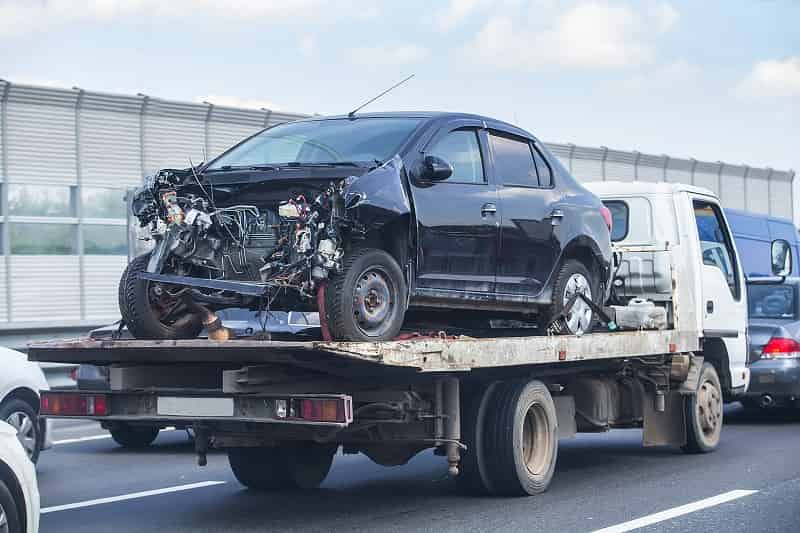
A damaged car can leave you facing a difficult decision. Should you pay for repairs, make an insurance claim, or sell the vehicle as it is? The right choice depends on the extent of the damage, the car’s current value, and how much it may cost to get it back on the road.
For some vehicles, repairs are worthwhile. For others, especially older cars with major mechanical problems or serious accident damage, selling the vehicle for parts or recycling may be a more practical option.
Understanding how Rockingham Car Wreckers can help with a damaged car gives you another option to consider before spending more money on repairs.
What Types of Damaged Cars Can Be Assessed?
A vehicle does not have to be completely wrecked to be worth assessing. Its remaining parts, condition, and demand for components can all influence its potential value.
Common examples include:
- Accident-damaged cars: Collisions can damage body panels, bumpers, suspension, and structural components.
- Cars with engine problems: Engine failure or expensive transmission repairs can make an older vehicle uneconomical to maintain.
- Flood-damaged vehicles: Water can affect electrical systems, mechanical components, and interior fittings.
- Rusty or ageing cars: Extensive corrosion and repeated mechanical faults may make continued repairs impractical.
- Non-running vehicles: Cars that will not start may still contain components suitable for reuse.
- Hail-damaged cars: Extensive dents and damaged panels can reduce a vehicle’s value, even if its engine still works.
Acceptance depends on the vehicle’s condition and the buyer’s requirements. Providing an honest description of the damage helps the business assess whether it can make an offer.
Should You Repair or Sell Your Damaged Car?
Before deciding what to do, compare the likely repair costs with the vehicle’s current market value and expected reliability.
Start by asking a qualified mechanic for an estimate. Make sure it includes the main repairs needed to make the vehicle safe and roadworthy. If the car has several faults, ask whether additional work is likely to be required soon.
For example, an older car might need a replacement engine, new tyres, and suspension repairs. Even if each repair seems manageable on its own, the combined cost could be more than the vehicle is worth.
Also consider how long you expect to keep the car and whether you can rely on it for daily travel. A vehicle that repeatedly breaks down may continue costing you money after the immediate repair is completed.
There is no fixed percentage that determines when repairs are no longer worthwhile. Compare the total cost of repairs with the car’s value, condition, and likely future expenses.
If the vehicle has major structural damage or may be unsafe, do not drive it until a qualified professional confirms that it is safe to do so.
How Do Car Wreckers Determine a Damaged Car’s Value?
The value of a damaged vehicle depends on more than its appearance. A wrecker may consider several factors when assessing it.
- Make, model, and year: Some vehicles have parts that are in greater demand because of their popularity, age, or availability.
- Overall condition: The extent of the damage affects which components can potentially be recovered.
- Mechanical condition: A working engine or transmission may add value if it can be safely assessed and reused.
- Availability of usable parts: Doors, mirrors, wheels, alternators, and other components may have value if they are in suitable condition.
- Current demand: The market for particular parts and recyclable materials can affect the offer.
The final amount varies from one vehicle to another. A car with extensive damage may still have reusable components, but a vehicle with severe fire, flood, or structural damage may have fewer parts suitable for recovery.
When requesting an estimate, provide the registration details if available, make, model, year, kilometres, and a clear description of the damage. Photos can also help explain the vehicle’s condition. Confirm whether the initial estimate is subject to an inspection.
What Is the Process for Selling a Damaged Car?
Selling a damaged vehicle can be straightforward when you understand the steps involved.
1. Describe the Vehicle Honestly
Explain what happened to the car and identify any known problems. Mention whether it starts, whether it can move, and whether any major components are missing.
Accurate details help reduce misunderstandings when the vehicle is inspected.
2. Request a Quote
Contact the buyer like Welshpool Wreckers with your vehicle information and ask for an offer. Find out what factors affect the price and whether the amount could change after inspection.
It is sensible to compare offers where possible rather than accepting the first price without understanding what is included.
3. Confirm Collection and Fees
If you accept an offer, ask how the car will be collected. A non-running vehicle may need a tow truck or other suitable transport.
Confirm whether removal is included, whether any conditions apply, and when payment will be made. Do not assume all buyers provide the same collection arrangements.
4. Prepare Your Documents and Remove Belongings
Have your available vehicle paperwork and identification ready. Remove personal items, check the glove box and boot, and take out any toll tags or other belongings.
Ask which documents are required to complete the sale and follow the applicable Western Australian requirements.
5. Complete the Handover
Before handing over the vehicle, confirm the agreed price, payment method, and collection arrangements. Keep copies of relevant transaction records and complete the required paperwork.
A clear agreement helps make the process easier and reduces the chance of unexpected issues.
What If Your Car Has Been Written Off?
A written-off vehicle is not always treated the same way under Western Australian rules. The distinction between a repairable write-off and a statutory write-off is important.
A repairable write-off may be repaired and relicensed if it meets the applicable repair, inspection, and licensing requirements.
A statutory write-off is too severely damaged to be returned to road use. It cannot be relicensed and may only be used for parts or scrap metal.
The classification depends on the vehicle’s assessed damage and the relevant criteria, not simply on whether the car starts or appears repairable.
If your vehicle has been involved in a serious accident or flood, check its status before arranging repairs or a sale.
Do not assume that a vehicle can be returned to the road just because its visible damage has been repaired.
Can Damaged Cars Still Have Useful Parts?
Yes, some damaged vehicles contain components that can be recovered and reused. The condition of each part must be checked before it is considered suitable for another vehicle.
Depending on the damage, components such as mirrors, doors, wheels, alternators, starter motors, and selected mechanical parts may still be useful. Their suitability depends on wear, damage, compatibility, and safety.
For drivers repairing an older vehicle, suitable second-hand parts may offer an alternative to buying new components. However, the replacement must match the vehicle’s specifications, and safety-critical parts should be assessed appropriately.
After usable components are recovered, certain materials, including metals, may be sent for recycling. Fluids, batteries, and other vehicle materials need suitable handling to help reduce environmental harm.
Not every component can be reused, and not every vehicle can be recycled in the same way. The goal is to recover suitable materials while managing waste responsibly.
Choosing a Car Wrecker in Rockingham
Before agreeing to sell your damaged vehicle, take time to check the buyer’s terms. A clear offer and well-explained collection process can help you avoid confusion.
Consider these points:
- Transparent pricing: Ask how the offer was calculated and whether an inspection could change it.
- Clear collection terms: Confirm the pickup arrangements and any applicable fees.
- Suitable documentation: Understand what paperwork you need to provide.
- Responsible vehicle handling: Ask how reusable parts and remaining materials are managed.
- Good communication: Choose a business that answers your questions and explains the next steps.
Welshpool Wreckers provides a Rockingham car wrecking service where you can enquire about an unwanted or damaged vehicle. Share the vehicle’s details to find out whether it can be assessed and what options may be available.
Make an Informed Decision About Your Damaged Car
A damaged car does not always need to be repaired, but selling it is not automatically the best choice either. The right decision depends on repair costs, the vehicle’s remaining value, its safety, and your future transport needs.
Get a repair estimate, compare it with the car’s current value, and ask for a clear offer if you are considering selling. If the vehicle is unsafe or cannot be driven, arrange suitable transport.
By comparing your options and understanding the process, you can make a practical decision without spending money on repairs that may not be worthwhile.
Leave a Reply
You must be logged in to post a comment.