
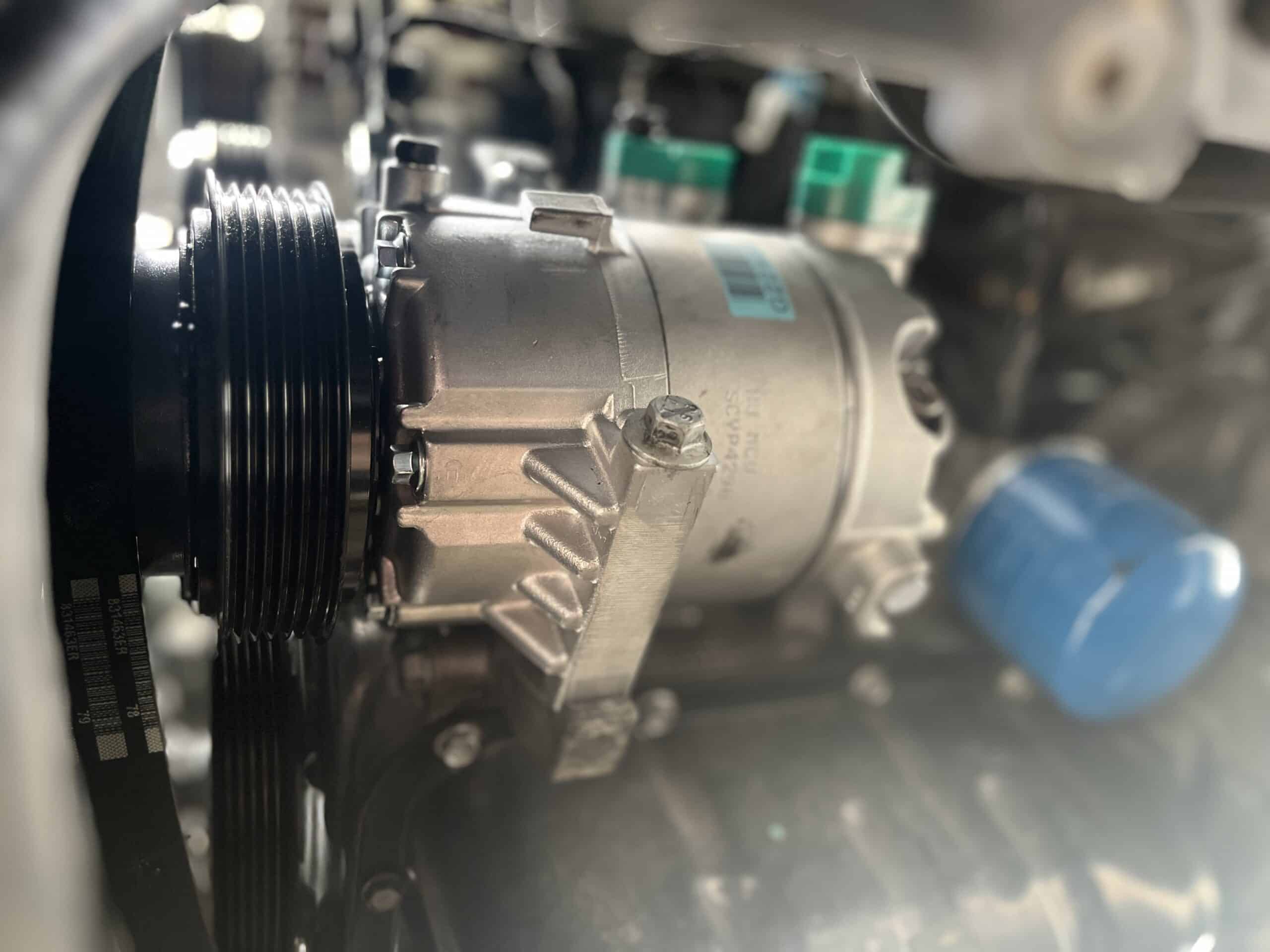
Old and unwanted compressors can occupy space in your home, workshop, garage, and in industrial settings. Whenever the compressor ceases to operate or becomes obsolete, recycling is an effective solution to handle the machinery as opposed to having it lying around or dumping it directly into the landfill. Those in search of a Compressors Recycler Adelaide will find information on how the process works to be useful when handling unwanted compressors.
Compressors have a variety of uses in industries, which include refrigeration, air conditioning, automotive workshops, manufacturing and construction. With age, there could arise various issues with the machinery making them inefficient or costly to repair. Recycling offers an alternative in handling old compressors as well as recovering the right metals.
Why Compressor Recycling Matters
Compression units have different materials such as steel, aluminium, copper, and other metallic components. The materials can generally be recycled using proper recycling techniques and not just thrown away.
The process of recycling ensures that there is reduced wastage of equipment which would otherwise end up in landfills as well as help in reusing resources. There is also reduction in extraction and processing of new materials when there is metal recovery.
Proper compressor recycling is one way of managing compression units that are no longer required in Adelaide. The process also makes it easier to maintain organized workshops and workplaces.
Types of Compressors Accepted for Recycling
Different types of compressors may be suitable for recycling, depending on their condition, materials and the recycler’s acceptance requirements.
Air Compressors: Air compressors are commonly used in garages, mechanical workshops, construction sites and industrial facilities. Older machines may become unreliable or require expensive repairs. Depending on the equipment and its materials, these compressors may be suitable for scrap metal recycling.
Refrigeration Compressors: Refrigeration compressors are found in refrigerators, freezers, cool rooms and commercial refrigeration systems. These units can contain recoverable metals, but some also contain refrigerants or oils that require proper handling before recycling.
Air Conditioning Compressors: Air conditioning compressors are used in residential, commercial and industrial cooling systems. When a unit stops working or is replaced during an upgrade, the old compressor may be suitable for recycling after any required refrigerant recovery and preparation.
Industrial Compressors: Factories, workshops and other commercial facilities may use larger compressors for different operations. These units can contain substantial amounts of metal, although acceptance depends on their size, construction and condition. Businesses should confirm handling and collection requirements before arranging recycling.
How the Compressor Recycling Process Works
Compressor recycling generally involves several steps to ensure the equipment is handled correctly and suitable materials can be recovered.
The first process is determining the kind of compressor and the state of the equipment. At this stage, the recycler may want to know about the size and weight of the equipment, the materials used to make the equipment, and whether it is dismantled or not.
Secondly, the equipment is prepared for recycling. It is important at this point especially if it is a refrigeration or air conditioning compressor since it may have refrigerants, oils, or other materials.
Benefits of Recycling Used Compressors
Recycling unwanted compressors offers several practical benefits for property owners, mechanics and businesses.
One major benefit is freeing up space. Old compressors can be bulky and difficult to store, particularly in busy workshops or commercial premises. Removing equipment that is no longer required helps create a cleaner and more organised workspace.
Another benefit is resource recovery. Compressors can contain metals that may be reused in manufacturing and other industries. Recycling these materials helps keep useful resources in circulation.
Preparing Your Compressor for Recycling
Just a bit of preparation can simplify the recycling process. Firstly, you need to establish the type of the compressor, as well as check for the availability of the specification of the product. Pictures of the unit will also give a clue as to the item you are bringing.
Try to provide some details about the condition of the compressor, as well as its size and number. Indicate whether the compressor is assembled, disconnected or even disassembled.
Avoid cutting open sealed units or removing refrigerants and oils from the unit on your own. The process of refrigerant removal and handling of the hazardous material may require certified technicians.
Choosing a Compressors Recycler in Adelaide
Selecting an appropriate recycler requires the first confirmation whether the facility takes your kind of compressor. There are some companies that only deal with scrap metal adelaide in general, whereas others might have special approaches to recycling of refrigerators and industrial machinery.
Find out more about what kinds of metals are accepted by the company, their preparation and whether you can deliver or receive the collection service. If you have multiple compressors or large machinery equipment, you might want to check transport issues beforehand.
Moreover, it is always useful to find out what kind of process will take place with your equipment. An appropriate company must tell you about its acceptance policy.
Compressor Recycling for Adelaide Businesses
Businesses that regularly replace machinery may accumulate unwanted compressors over time. Automotive workshops, refrigeration technicians, property maintenance companies and industrial facilities can benefit from having a clear process for managing this equipment.
Keeping track of discarded machinery helps businesses organise storage areas and avoid unnecessary clutter. For larger quantities, contacting a recycler in advance can help establish whether the equipment can be accepted and what preparation is required.
Businesses should also keep relevant records when needed and ensure that any regulated substances are handled according to applicable requirements. Proper planning makes it easier to manage old equipment safely and responsibly.
Final Thoughts
Recycling used and unwanted compressors is one of the most effective ways of getting back valuable metals and reducing the amount of waste that is occupying space in garages, workshops, and business premises. If you have old air compressors, refrigerators or any other type of equipment, then taking a look at recycling may be helpful.
If you want to recycle your Compressors Recycler Adelaide, then first identify your equipment and determine the condition in which you want to get rid of it. In addition, for those compressors that have refrigerants and oils, ensure that the necessary measures have been taken.
Leave a Reply
You must be logged in to post a comment.