
If your 4WD has been in an accident, it’s easy to assume the whole vehicle is only worth scrap metal. In reality, many damaged 4WDs still contain parts that are in high demand across Australia. Even when the body is beyond repair, valuable components can be reused, refurbished, or recycled, giving the vehicle far more value than most owners expect.
This is one reason why Perth 4WD Wreckers continue to purchase accident-damaged vehicles every day. The value isn’t always in the condition of the entire vehicle—it’s often hidden in the parts that survive the crash.
Why damaged 4WDs still have value
A collision rarely damages every part of a vehicle. Modern 4WDs are built with hundreds of components, and many remain fully functional after an accident. Engines, transmissions, differentials, electronic modules, wheels, and interior parts are regularly recovered and reused in other vehicles.
For owners, this means you may receive a better price by selling the complete vehicle to a specialist buyer rather than treating it as ordinary scrap.
The most valuable 4WD parts after an accident
Here are the components that usually hold the highest resale and recycling value.
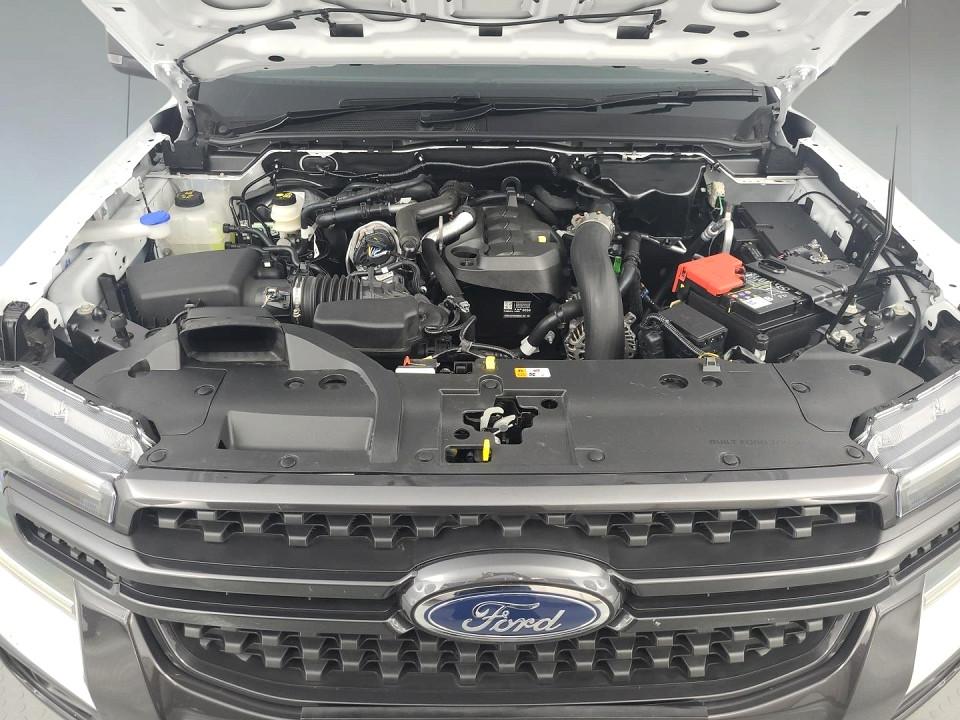
Engine and turbocharger
The engine is often the single most valuable part of a damaged 4WD. Even if the vehicle has front or rear accident damage, the engine may still be in excellent working condition.
Diesel engines from popular models such as the Toyota Hilux, Nissan Patrol, Mitsubishi Triton, and Ford Ranger are especially sought after because replacement engines can be expensive.
If the turbocharger is undamaged, it may also add significant value to the vehicle.
Automatic or manual transmission
A healthy gearbox is another high-value component. Whether automatic or manual, transmissions are regularly removed, tested, and supplied as replacement units for other 4WD owners.
Minor accident damage to the body usually has little effect on the transmission, making it one of the strongest contributors to a vehicle’s overall value.
Transfer case and differentials
These parts are unique to four-wheel-drive vehicles and are essential for off-road performance. Because they experience heavy wear over time, quality used replacements are always in demand.
A damaged door or crushed rear quarter panel doesn’t necessarily affect the drivetrain underneath.
Alloy wheels and tyres
Quality alloy wheels retain value if they are free from cracks or severe bends. Likewise, near-new all-terrain or mud-terrain tyres can increase what a wrecked vehicle is worth.
Even if only three wheels are usable, they may still be valuable depending on the model.
Bull bars, canopies and accessories
Aftermarket accessories often surprise owners with their value. Items like:
- Steel bull bars
- Aluminium canopies
- Roof racks
- Tow bars
- Snorkels
- Side steps
can sometimes be worth hundreds or even thousands of dollars on their own. Premium brands are particularly popular in the second-hand market.
Interior components
Accidents frequently leave the cabin untouched. Seats, dashboards, steering wheels, infotainment units, climate controls, and door trims are commonly reused.
Modern electronic displays and factory multimedia systems are especially valuable because genuine replacements are expensive.
Electronic control modules
Today’s 4WDs contain dozens of computers that manage everything from engine performance to safety systems.
Examples include:
- Engine Control Unit (ECU)
- Body Control Module (BCM)
- ABS module
- Air conditioning controller
- Parking sensor modules
These parts are small but often valuable, particularly for newer vehicles.
Does the make of your 4WD matter?
Yes. Popular models generally hold stronger parts demand because there are more vehicles on Australian roads needing replacements.
Some of the most commonly dismantled models include:
- Toyota Hilux
- Toyota Land Cruiser
- Nissan Patrol
- Ford Ranger
- Mitsubishi Triton
- Isuzu D-Max
- Mazda BT-50
Higher demand for replacement parts usually translates into better overall vehicle value.
What reduces the value?
Not every damaged 4WD commands a high price. Several factors influence the final valuation.
| Factor | Impact |
|---|---|
| Engine seized | High reduction |
| Fire damage | Very high reduction |
| Flood damage | Moderate to high |
| Missing major parts | Moderate |
| Heavy chassis damage | Moderate |
| Complete service history | Can improve value |
A professional inspection considers the condition of reusable components rather than judging the vehicle by appearance alone.
Should you remove parts before selling?
Many owners consider selling valuable accessories separately. While this can work, it isn’t always the most profitable option.
Removing parts takes time, requires tools, and may reduce the value of the remaining vehicle. Selling the complete 4WD is often simpler because the buyer handles dismantling, towing, and recycling in one process.
Unless you already have buyers lined up for individual components, keeping the vehicle complete is usually the more practical choice.
The environmental value of 4WD wrecking
Reusing genuine vehicle parts reduces landfill waste and decreases the demand for manufacturing new components. Metals are recycled, usable mechanical parts are refurbished, and hazardous fluids are disposed of safely through regulated recycling processes.
This makes professional 4WD dismantling an important part of Australia’s automotive recycling industry rather than simply crushing old vehicles.
Conclusion
A damaged 4WD is rarely worthless. Even after a serious accident, valuable engines, gearboxes, differentials, accessories, wheels, and electronic components may still have significant market value. The condition of individual parts matters far more than many owners realise.
If you’re planning to sell an accident-damaged vehicle, choosing experienced 4WD Wreckers like Cash for 4WD Hub who gives you the best chance of receiving a fair valuation based on the parts that still have life left in them—not just the weight of the metal.
Leave a Reply
You must be logged in to post a comment.