
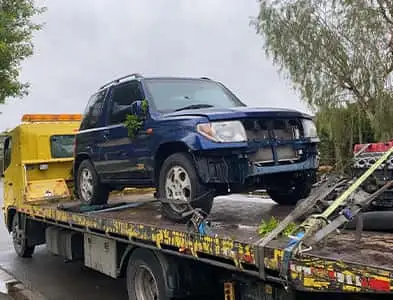
Selling an old car can be a practical way to clear unwanted space and recover value from a vehicle you no longer need. However, many car owners are unsure how much their vehicle is worth or what they can do to improve their chances of receiving a reasonable offer. Age, kilometres, condition, vehicle history, demand and even the availability of usable parts can all influence the amount a buyer may be willing to offer.
Whether your vehicle is an older family car, a second vehicle that is no longer being used, a damaged car, or a vehicle that has developed expensive mechanical problems, understanding the factors that affect its value can make the selling process easier.
If you are planning to sell an old vehicle in Mount Gambier, taking a little time to prepare the car, understand its condition and compare your available selling options can help you make a more informed decision.
Understand What Your Car Is Worth
The first step towards getting the best possible value from an old car is understanding what influences its worth. There is no single factor that determines the price.
The make and model can have a significant impact because some vehicles have stronger demand in the used-car market. The vehicle’s age, kilometres, condition, service history and specifications can also affect its potential value.
A well-maintained older vehicle may be worth more than another car of the same age that has been neglected. Similarly, a vehicle with a complete service history may be easier to assess because its maintenance background is clearer.
It is also important to remember that online advertised prices do not always represent actual selling prices. Sellers may advertise vehicles at an amount they hope to receive, while the final agreed price can be different.
Getting an assessment based on your specific vehicle can therefore provide a more realistic understanding of its potential value.
Check the Overall Condition of the Vehicle
Before selling, inspect your vehicle carefully. Look at both its appearance and mechanical condition.
Check the exterior for dents, scratches, rust, accident damage and missing components. Inside the vehicle, look at the seats, carpets, dashboard, controls and other interior features.
If the car is running, consider how the engine, transmission, brakes, suspension, steering and electrical systems are performing. Warning lights or unusual noises should also be noted.
You do not need to become a mechanic to understand your vehicle’s general condition. Simply making a list of known problems can help you provide accurate information to potential buyers.
Being transparent about faults is important because an accurate description can make the assessment process smoother.
Gather Your Vehicle’s Important Documents
Having relevant paperwork ready can make the selling process more organised.
Depending on your circumstances, useful documents may include registration information, service records, ownership documentation, receipts for repairs and other vehicle-related paperwork.
A service history can be particularly useful because it provides evidence of maintenance and repairs carried out during the vehicle’s life.
If you have documentation showing recent work such as tyre replacement, servicing, battery replacement or major repairs, keep it available when discussing the vehicle with a potential buyer.
If some documents are missing, do not automatically assume that you cannot sell the vehicle. Ask the buyer what information and documentation is required for your particular situation.
Clean Your Car Before Selling
A clean vehicle can make a better first impression. This does not mean you need to spend a large amount of money on professional detailing.
Start by removing rubbish and personal belongings from the cabin and boot. Vacuum the interior, clean the windows and wipe down the dashboard and other surfaces.
Washing the exterior can also make it easier for a potential buyer to see the vehicle’s actual condition.
Remember that cleaning will not transform a mechanically damaged vehicle into a high-value car. However, basic preparation can make the vehicle easier to inspect and present.
Avoid Unnecessary Repairs
One of the biggest mistakes some owners make is spending too much money repairing an old vehicle immediately before selling it.
Before paying for expensive repairs, consider whether the repair is likely to increase the vehicle’s selling value enough to justify the cost.
For example, an older vehicle requiring a major engine or transmission repair could require a substantial investment. The increased selling value after the repair may not always cover the money spent.
Minor maintenance or presentation work may be worthwhile, but major repairs should be considered carefully.
You can ask a potential buyer to assess the vehicle in its current condition before deciding whether significant repairs make financial sense.
Consider the Vehicle’s Mileage
Kilometres are another factor that can influence the value of an older vehicle.
Generally, a car with lower kilometres may attract more interest than a similar vehicle with very high kilometres. However, mileage should not be considered on its own.
A high-kilometre vehicle with good maintenance and a documented service history may still have value. Conversely, a lower-kilometre vehicle with significant mechanical or accident damage may require closer assessment.
When selling, provide the most accurate kilometre reading available and explain any relevant history.
Do Not Hide Damage or Mechanical Problems
Honesty is important when selling an old car. Attempting to hide significant problems can create difficulties during the inspection process.
If your car has engine trouble, transmission issues, accident damage, rust, electrical faults or other major problems, mention them when requesting an assessment.
This allows the buyer to consider the vehicle based on its actual condition.
It also helps avoid situations where an offer changes unexpectedly because important information was not disclosed earlier.
Damaged and Non-Running Cars May Still Have Value
An old vehicle does not necessarily become worthless because it has stopped running.
Damaged and non-running cars may still have value depending on their make, model, condition, components and overall circumstances. Usable parts can sometimes be recovered, while recyclable materials may also contribute to the vehicle’s value.
If your vehicle does not start or cannot be driven, explain this clearly when contacting a buyer.
You should also ask how collection will be handled. A non-running vehicle may require appropriate equipment for safe removal.
Compare Different Ways to Sell Your Car
There are several ways to sell an old vehicle. You could advertise it privately, trade it in when purchasing another vehicle, or contact a professional vehicle buyer.
A private sale can provide access to individual buyers, but it may require considerable time. You may need to create advertisements, respond to messages, organise inspections, arrange test drives and negotiate with multiple people.
A trade-in can be convenient if you are purchasing another car, although the process is tied to buying another vehicle.
A professional buyer may provide a more direct option if your priority is to sell an unwanted vehicle without managing multiple private enquiries.
When researching cash for cars Mount Gambier, compare the complete process rather than focusing only on an advertised price. Consider the assessment process, collection arrangements, paperwork, payment terms and any additional conditions.
Take Clear Photos of Your Vehicle
If you are requesting an initial assessment online or by phone, photographs can help communicate the vehicle’s condition.
Take clear photographs of the front, rear, sides and interior. Include pictures of the dashboard, wheels, engine area and any visible damage when appropriate.
Good photographs should accurately represent the vehicle rather than hiding scratches, dents or other problems.
Providing useful information alongside the photographs can help the buyer understand the vehicle before arranging the next step.
Keep Your Expectations Realistic
Getting the best value does not necessarily mean receiving the highest number you see in an online advertisement.
A realistic assessment should consider the vehicle’s actual condition, current demand, repair requirements and potential resale or parts value.
It is also important to consider the total cost of selling the vehicle yourself. Advertising, repairs, cleaning, inspections and your time can all have an impact on the overall result.
For some owners, convenience and a straightforward transaction may be just as important as the final amount offered.
Choose a Buyer Carefully
Research the company before agreeing to sell your vehicle.
Look for clear business information, contact details and an understandable explanation of the selling process. Customer reviews can also provide insight into other people’s experiences.
Before accepting an offer, ask questions about how the vehicle will be assessed, how collection works, what paperwork is required and how payment is handled.
If anything about the process is unclear, ask for an explanation before proceeding.
A transparent selling process can help reduce misunderstandings and make the transaction easier.
Prepare for the Vehicle Handover
Once you have agreed to sell, take a few final steps before handing over the vehicle.
Remove personal belongings from the cabin, glove box, boot and storage compartments. Check that you have collected any personal documents, tools or accessories that you intend to keep.
If your vehicle has a connected infotainment system, remove personal information and reset accounts where appropriate.
Make sure the required paperwork has been completed correctly and keep copies or records of relevant transaction documents.
What If You Have an Old Car That You No Longer Drive?
If your vehicle has been sitting unused for months or years, it may be worth reviewing whether keeping it still makes sense.
An unused vehicle can occupy valuable space and may continue to involve expenses depending on its registration, insurance and maintenance requirements.
Rather than allowing an unwanted vehicle to deteriorate further, obtaining an assessment can help you understand what options are available.
This is particularly relevant for cars that have mechanical faults or have been sitting unused because the owner does not want to spend money repairing them.
Read Also: What Is the Best Way to Sell an Old Car for Cash?
Final Thoughts
Getting the best value for an old car starts with understanding what you actually have. The vehicle’s age, make, model, kilometres, condition, service history, damage and overall demand can all influence its potential value.
Before selling, gather your documents, clean the vehicle, record its condition and avoid spending heavily on repairs without first considering whether they are financially worthwhile.
You should also compare different selling methods and look beyond the headline price. The time required, repair costs, advertising, negotiations, collection arrangements and paperwork can all affect the overall experience.
Whether your vehicle is an older daily driver, an unwanted second car, a damaged vehicle or a non-running car, getting an accurate assessment can help you understand its potential value and choose a selling option that suits your circumstances.
With the right preparation and realistic expectations, selling an old car in Mount Gambier can be a much more straightforward process.
Leave a Reply
You must be logged in to post a comment.